Слайд 2The German Christmas season officially begins with the first Sunday of Advent.
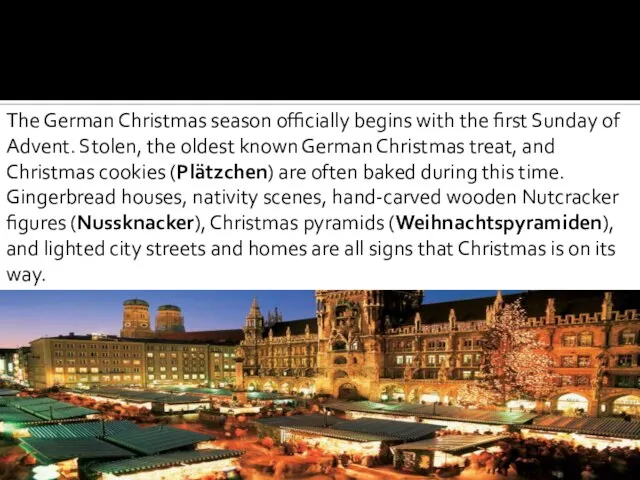
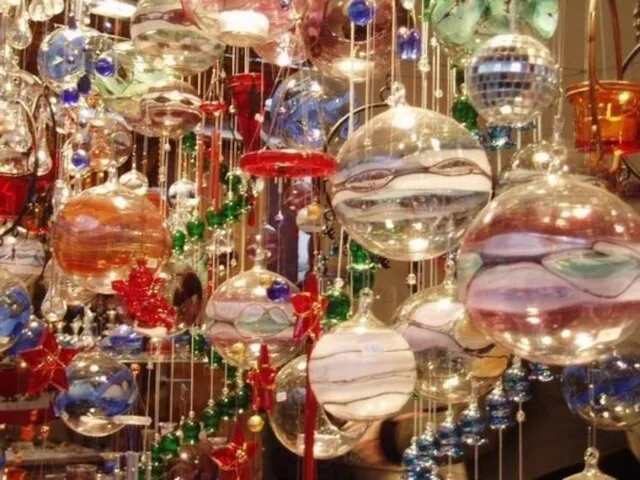
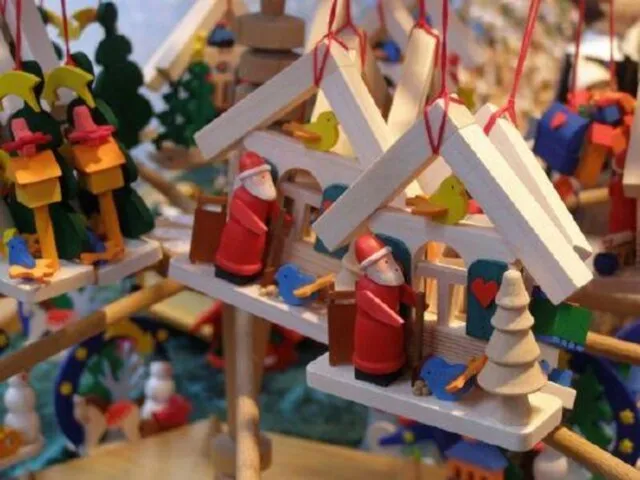
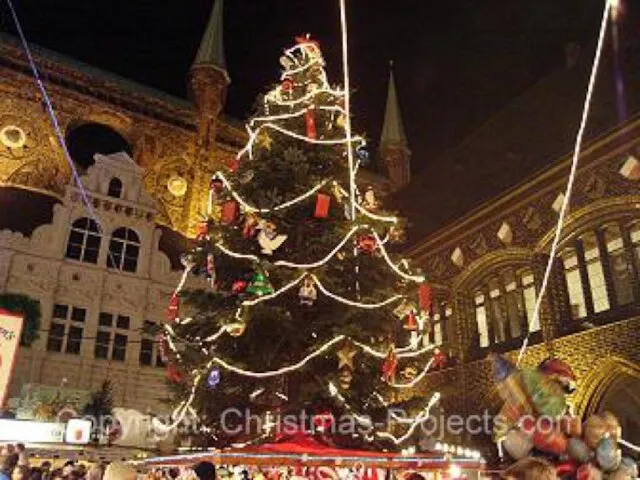
Stolen, the oldest known German Christmas treat, and Christmas cookies (Plätzchen) are often baked during this time. Gingerbread houses, nativity scenes, hand-carved wooden Nutcracker figures (Nussknacker), Christmas pyramids (Weihnachtspyramiden), and lighted city streets and homes are all signs that Christmas is on its way.
Слайд 4The Advent calendar (Adventskalender) is a German invention that was originally designed
to involve children in the festivities leading up to Christmas. The calendars are usually made of cardboard and have 24 small windows or flaps, one of which is opened on each day leading up to Christmas. Behind each window is a Christmas scene or motif. Nowadays, calendars may contain chocolate or candy behind each window, and sometimes even small toys.
Слайд 5The figure of Santa Claus, known in Germany as deer Weihnachtsmann (literally, "the Christmas
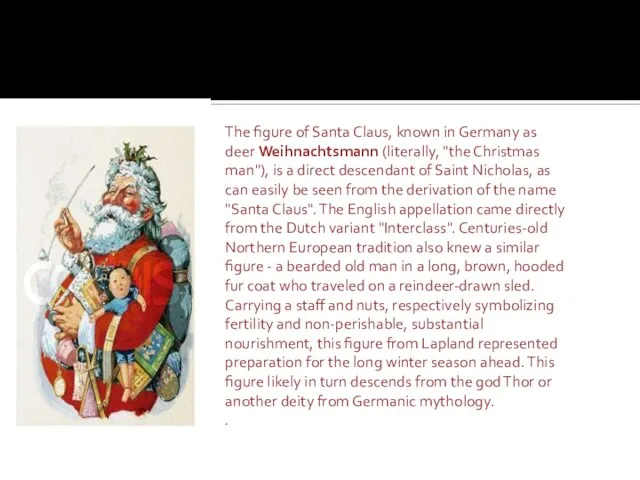
man"), is a direct descendant of Saint Nicholas, as can easily be seen from the derivation of the name "Santa Claus". The English appellation came directly from the Dutch variant "Interclass". Centuries-old Northern European tradition also knew a similar figure - a bearded old man in a long, brown, hooded fur coat who traveled on a reindeer-drawn sled. Carrying a staff and nuts, respectively symbolizing fertility and non-perishable, substantial nourishment, this figure from Lapland represented preparation for the long winter season ahead. This figure likely in turn descends from the god Thor or another deity from Germanic mythology.
.
Слайд 9Children leave letters on their windowsills for Christ kind, a winged figure dressed
in white robes and a golden crown who distributes gifts. Sometimes the letters are decorated with glue and sprinkled with sugar to make them sparkle.
 Slaidy.com
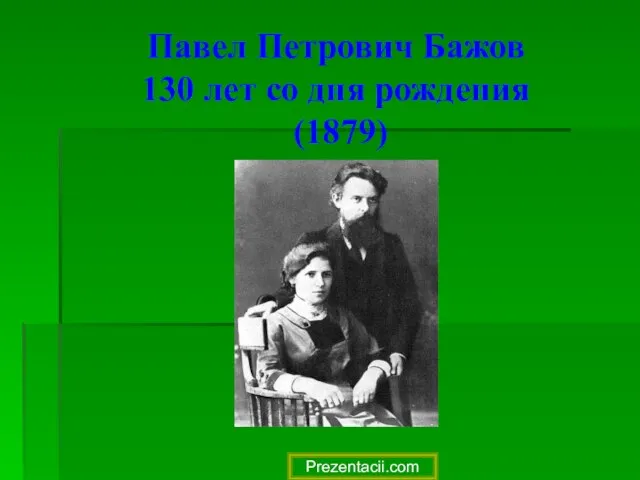 Презентация на тему Павел Петрович Бажов
 Договор об образовании СССР
 Презентация на тему Россия – Родина моя
 "А мы Масленицу провожали"
 Города-герои
 Чужой среди своих
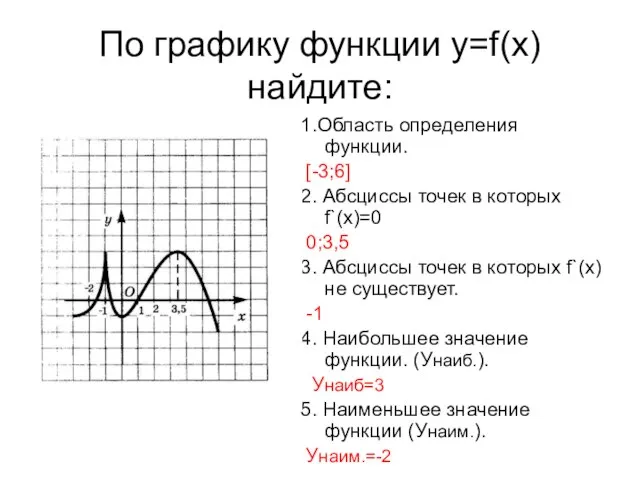 По графику функции у=f(x) найдите:
 Система учета рабочего времени на основе технологии RFID(СУРВ)
 Энергии красоты и уникальности
 Цели Стратегии ЦФО: разработка и реализация сбалансированного инвестиционного сценария, который бы учитывал преимущества всех ре
 Соц-арт. Комар, Меламид. Двойной автопортрет
 Оптические иллюзии в искусстве
 ИННОВАЦИИ В НАУКЕ- ИННОВАЦИИ В ОБРАЗОВАНИИ
 Великобритания и её доминионы
 My favorite website on the Internet
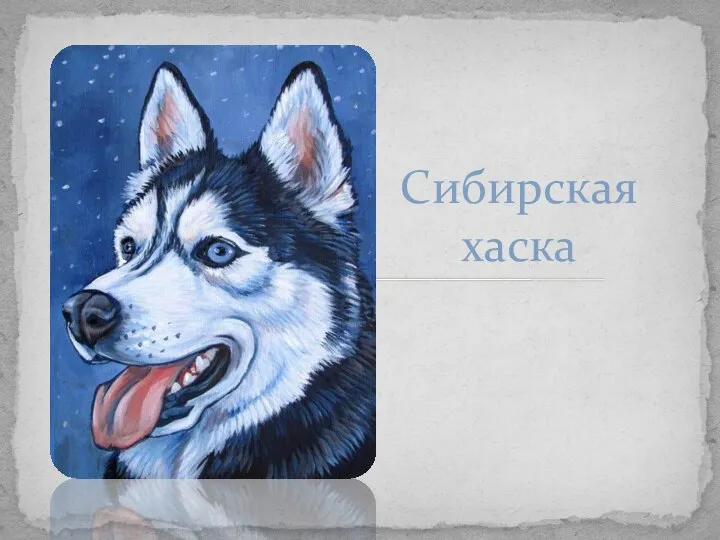 Сибирская хаска
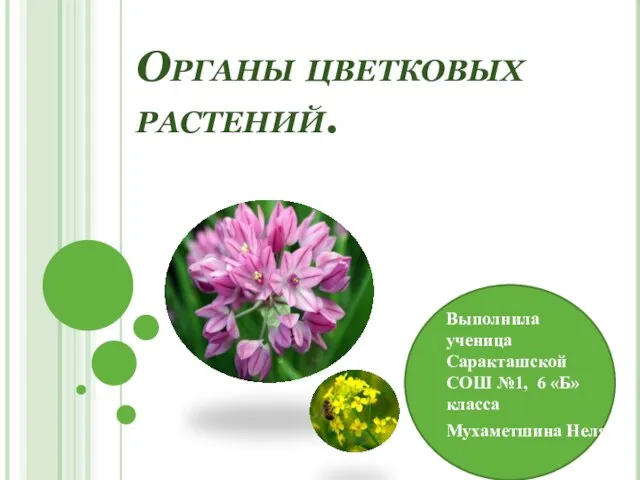 Презентация на тему Органы цветковых растений
  УРОК РУССКОГО ЯЗЫКА В 4 КЛАССЕ по теме «МЕСТОИМЕНИЕ» учитель ДУДЧЕНКО Л.В. 2012 г.
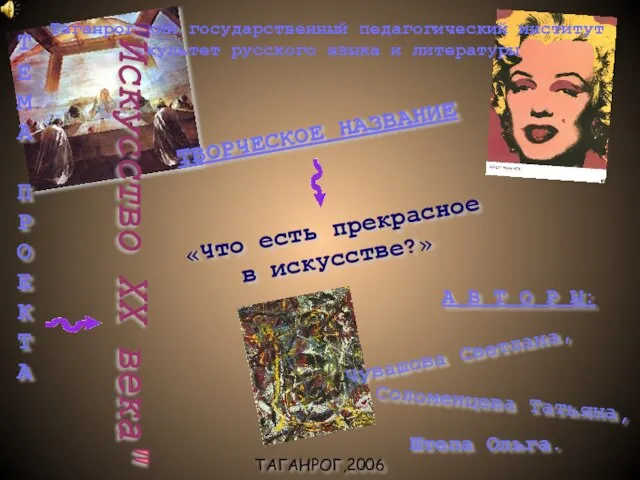 "Искусство ХХ века"
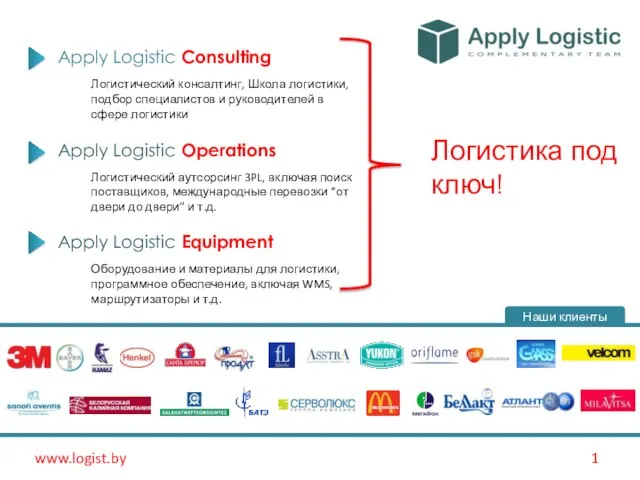 Логистика под ключ!
 Научно-практическая конференция «Шаг в науку»
 Солнце нашей поэзии
 Родники на пойме реки Сенной – живые символы села Палатово
 Урок физической культуры в 5 классеТема: Круговая эстафета с предметами
 Дымковская игрушка. Выставка. Альбом для детей 4 - 5 лет
 Особенности управления в период становления индустриального уклада
 Философия Аристотеля. Онтология
 РИСОВАТЬ – ЗНАЧИТ ОБМАНЫВАТЬ