 Slaidy.com
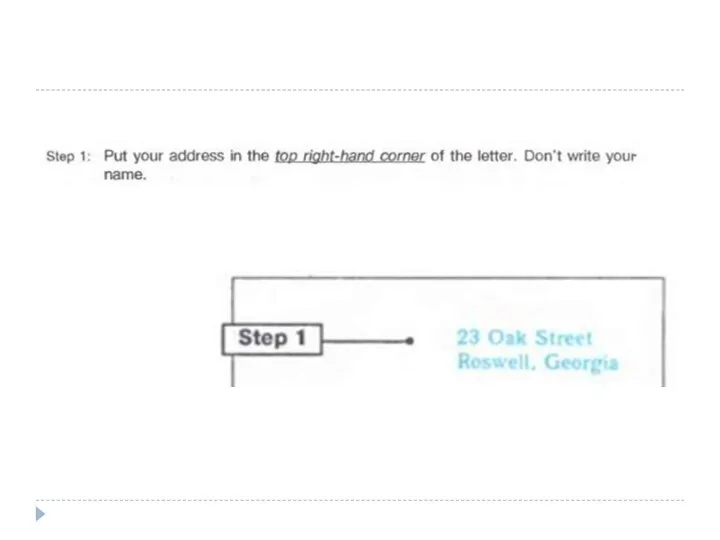
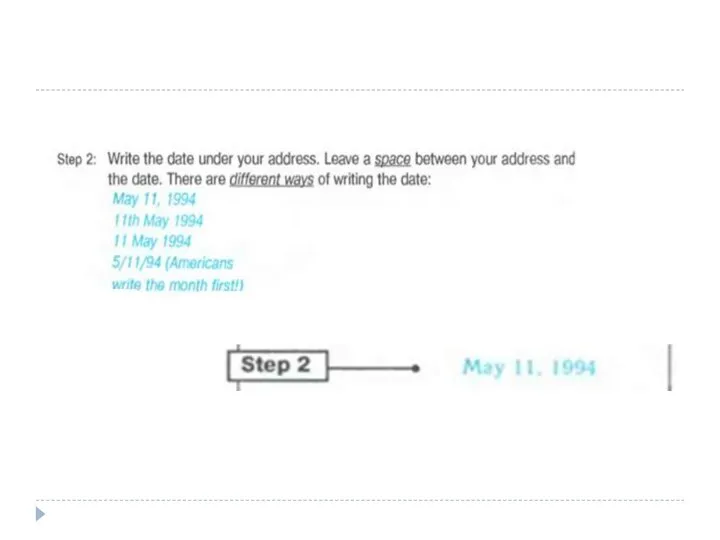
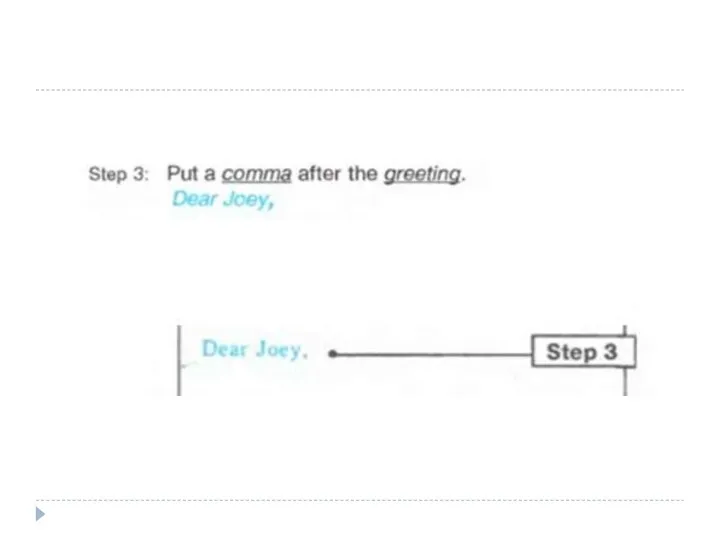
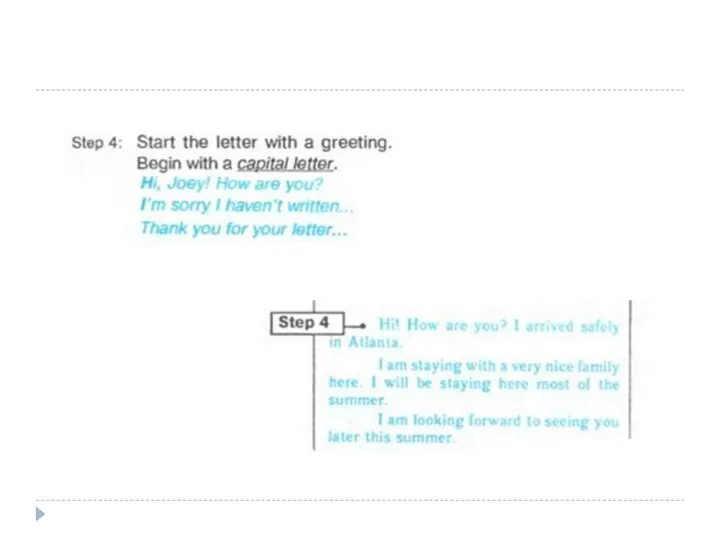
- Rules for writing a personal letter

Содержание
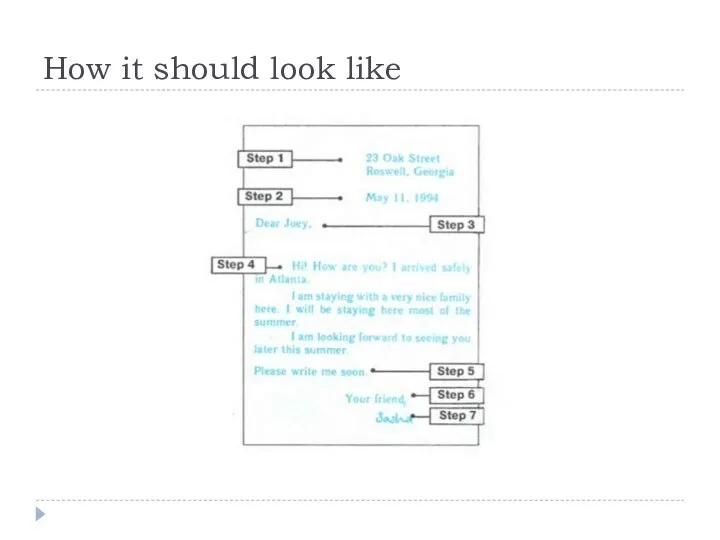
- 9. How it should look like
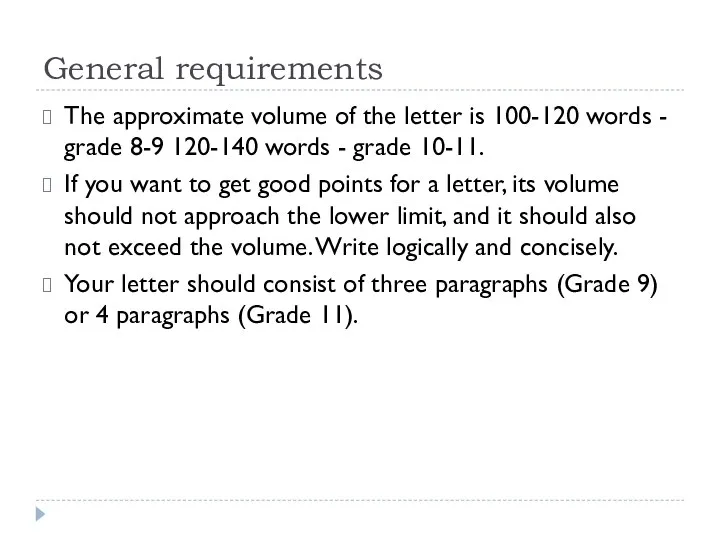
- 10. General requirements The approximate volume of the letter is 100-120 words - grade 8-9 120-140 words
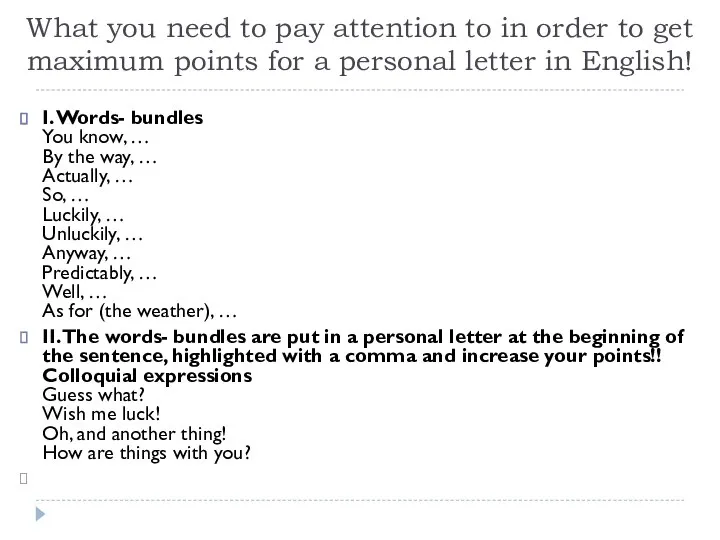
- 11. What you need to pay attention to in order to get maximum points for a personal
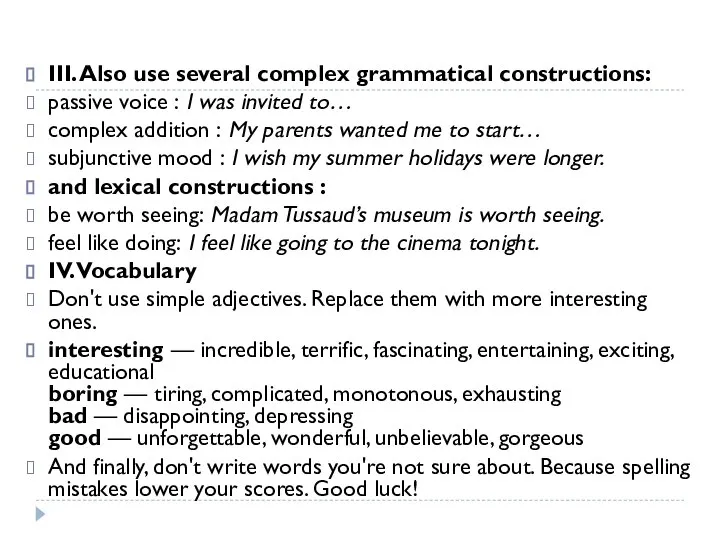
- 12. III. Also use several complex grammatical constructions: passive voice : I was invited to… complex addition
- 14. Скачать презентацию
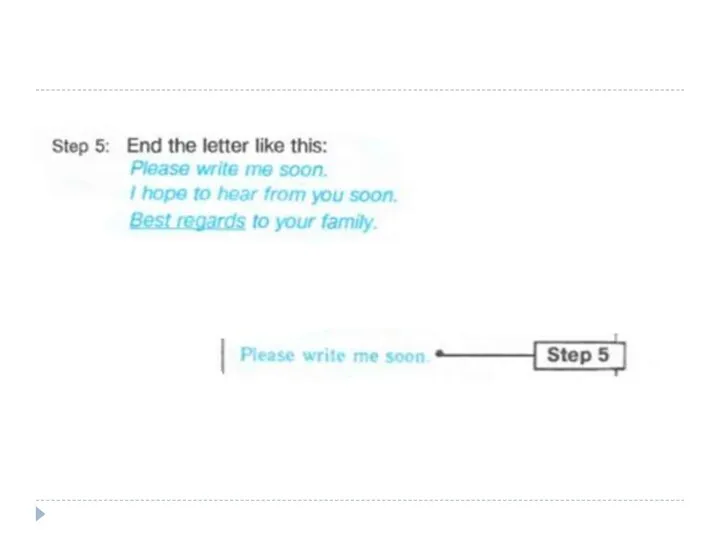
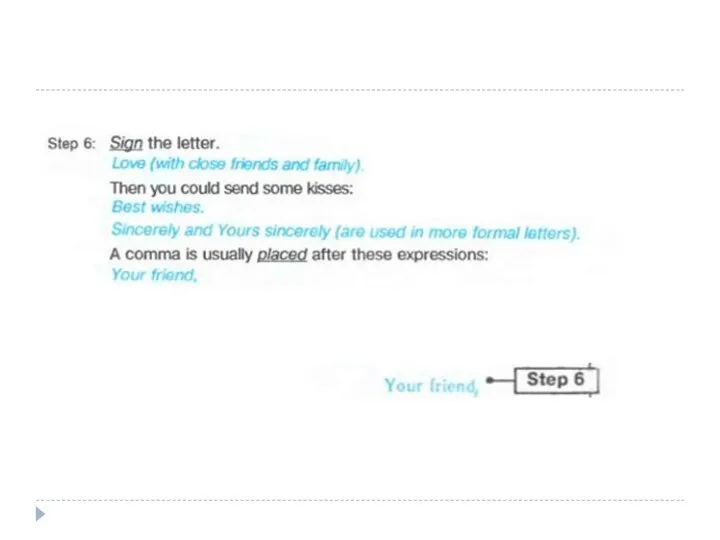
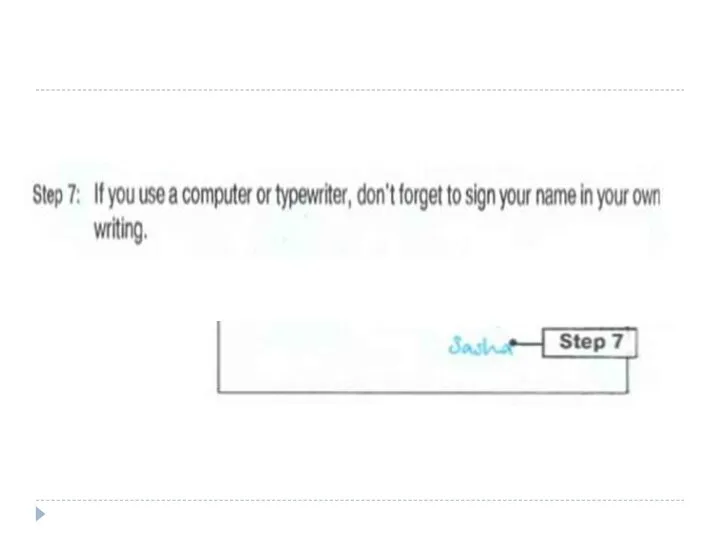
 Present simple (простое настоящее время). He hides
 Научишь ухо - получишь язык. Развитие навыков понимания английской речи на слух.
 Что такое going to?
 Merry Christmas and Happy New Year
 We don’t know what to say in ordinary situations
 Wh questions
 Степени сравнения прилагательных и наречий в английском языке
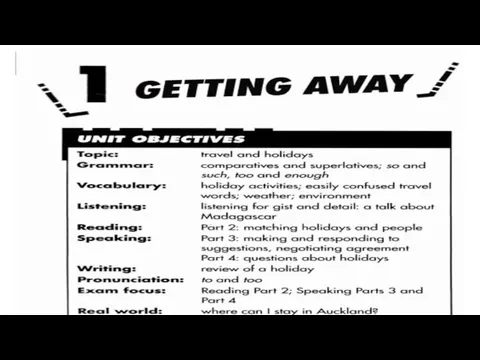 Getting Away
 Exercises in English
 The past participle
 Present, past, future simple
 The fundamentals of English grammar Conditional Sentences
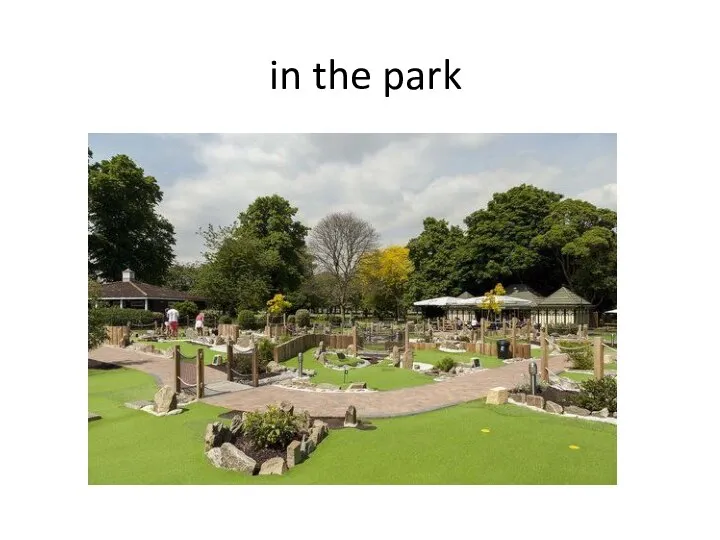 In the, on the
 Furniture. 1й класс
 Word building
 Clock Tower - irregular verbs
 The Breakfast club (opening) as text. Kakhnovskaia Daria
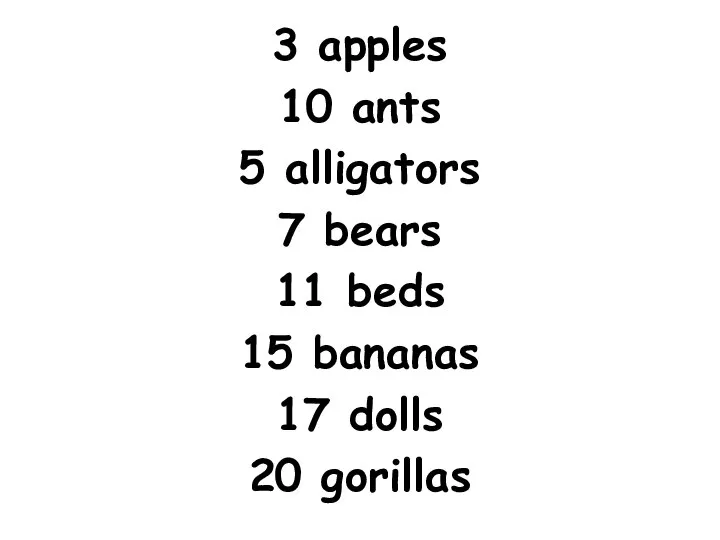 Read aloud
 Arcade, fire, reflektor
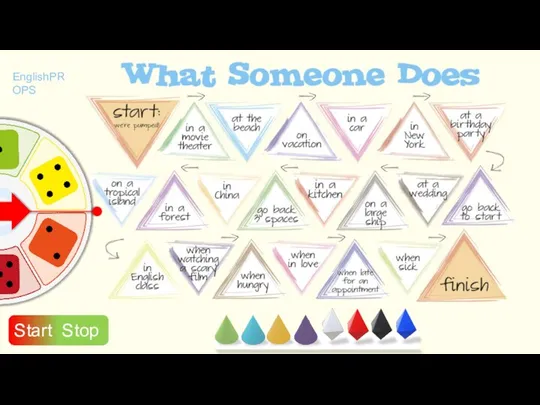 What Someone Does
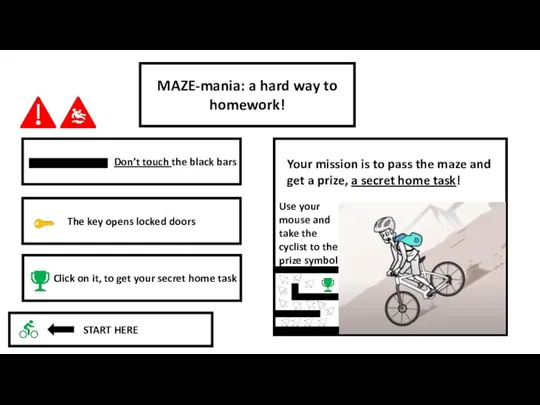 MAZE-mania: a hard way to homework!
 Кембриджский сертификат большое достижение вашего ребенка, знак отличия и дверь в мир будущих возможностей!
 Meet the artists of our theater. 2 класс
 Prepositions
 Ma animal domestique
 Изучение английского при помощи лыж
 English punctuation rules
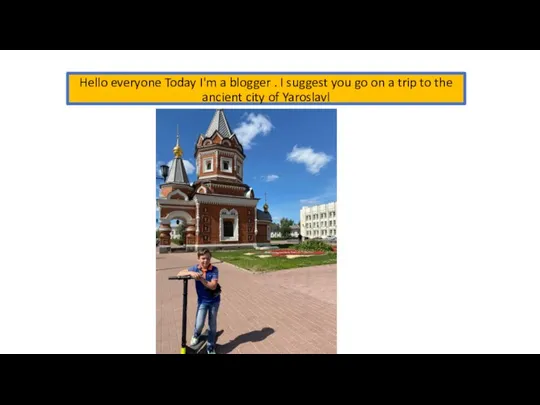 I suggest you go on a trip to the ancient city of Yaroslavl