Слайд 2There is , there are u yerda bor degan ma’noni bildirib, biror joyda
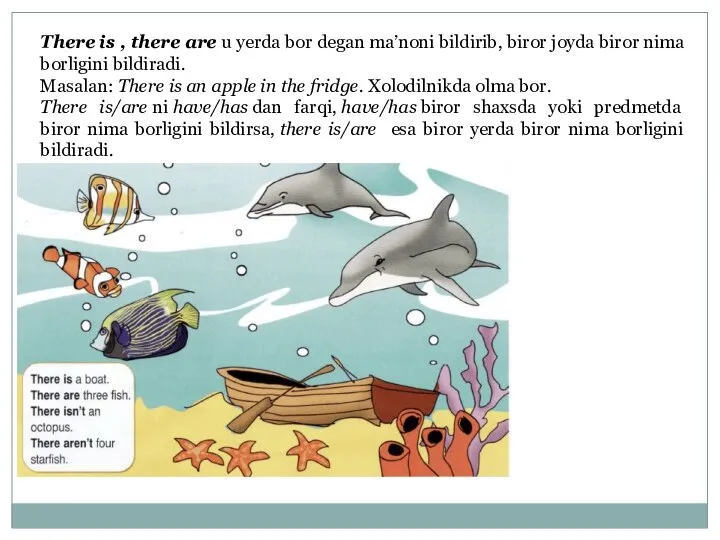
biror nima borligini bildiradi.
Masalan: There is an apple in the fridge. Xolodilnikda olma bor.
There is/are ni have/has dan farqi, have/has biror shaxsda yoki predmetda biror nima borligini bildirsa, there is/are esa biror yerda biror nima borligini bildiradi.
Слайд 3There’s a boat. U yerda qayiq bor
There are three fish. U yerda
uchta baliqlar bor.
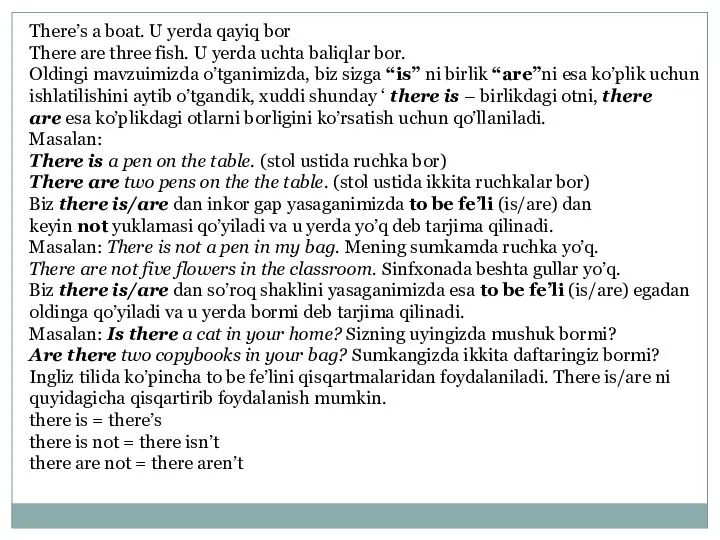
Oldingi mavzuimizda o’tganimizda, biz sizga “is” ni birlik “are”ni esa ko’plik uchun ishlatilishini aytib o’tgandik, xuddi shunday ‘ there is – birlikdagi otni, there are esa ko’plikdagi otlarni borligini ko’rsatish uchun qo’llaniladi.
Masalan:
There is a pen on the table. (stol ustida ruchka bor)
There are two pens on the the table. (stol ustida ikkita ruchkalar bor)
Biz there is/are dan inkor gap yasaganimizda to be fe’li (is/are) dan keyin not yuklamasi qo’yiladi va u yerda yo’q deb tarjima qilinadi.
Masalan: There is not a pen in my bag. Mening sumkamda ruchka yo’q.
There are not five flowers in the classroom. Sinfxonada beshta gullar yo’q.
Biz there is/are dan so’roq shaklini yasaganimizda esa to be fe’li (is/are) egadan oldinga qo’yiladi va u yerda bormi deb tarjima qilinadi.
Masalan: Is there a cat in your home? Sizning uyingizda mushuk bormi?
Are there two copybooks in your bag? Sumkangizda ikkita daftaringiz bormi?
Ingliz tilida ko’pincha to be fe’lini qisqartmalaridan foydalaniladi. There is/are ni quyidagicha qisqartirib foydalanish mumkin.
there is = there’s
there is not = there isn’t
there are not = there aren’t
 Slaidy.com
 Outsourcing
 Useful technical. Adjectives
 Complemento directo/indirecto
 Peer pressure
 Topic sentences
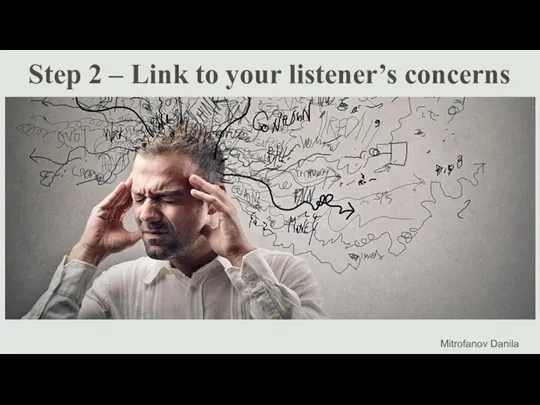 Link to your listener’s concerns
 Annotation of foreign literature. Purpose and types of annotations
 Comprehension Skills
 First Exam Essentials. Test 3
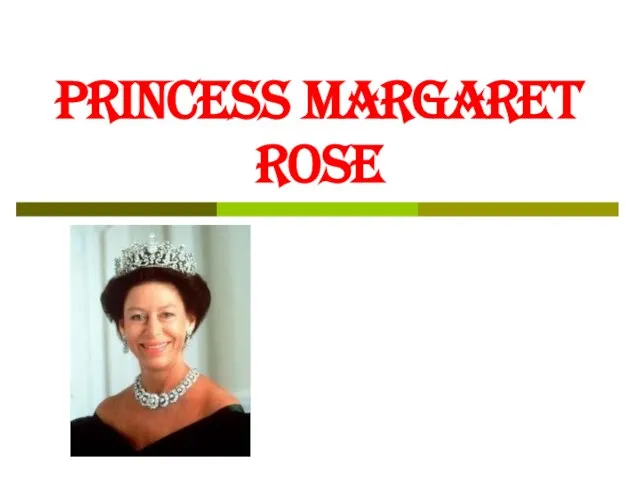 Презентация на тему Princess Margaret Rose
  I don’t want to be a FROG
 Making comparisons Animals
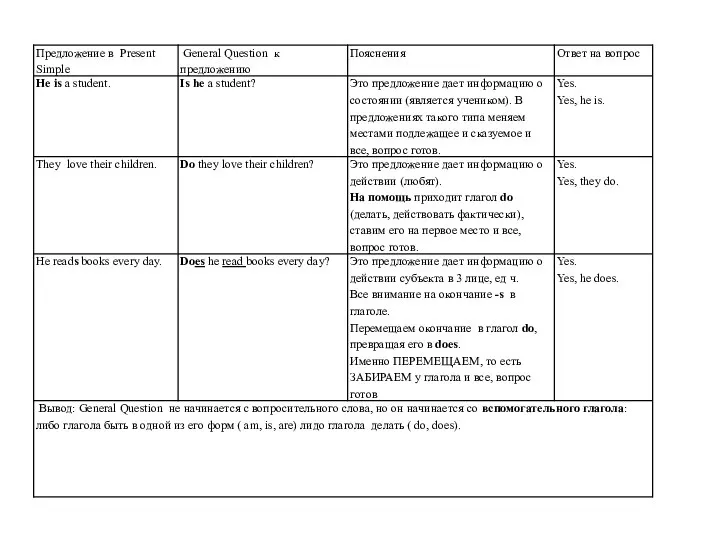 Предложение в Present Simple
 Rules of reading 2
 Future Real Conditionals - Условные предложения будущего времени (реальные условия)
 Eagles - ESL Classroom
 Insert the passed letters
 Idioms Feelings and emotions
 Презентация на тему Степени сравнения прилагательных
 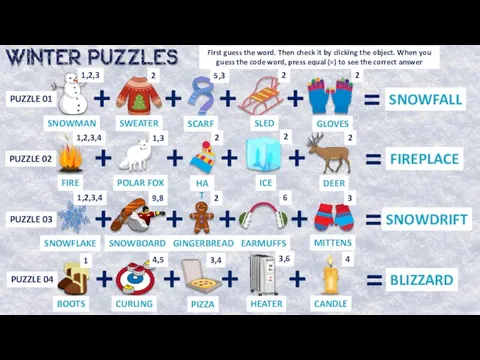 Winter puzzles (vocabulary)
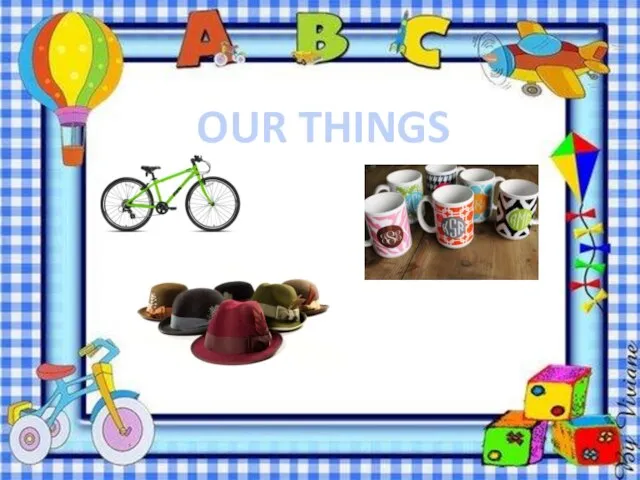 Местоимение
 Find something. I see something
 Читаем по-английски. Сочетания букв oa, ou, ow, ng, ph, qu, all
 What time is it?
 Whould you rather...Why
 Инфинитив. The Infinitive
 Stylistic semasiology of the english language
 Kamchatka Krai