 Slaidy.com
- Uzbekistan state world languages university

Содержание
- 2. EUPHIMISM, DYSPHEMISM ANTHESIS
- 3. Euphemism The term euphemism refers to polite, indirect expressions which replace words and phrases considered harsh
- 4. Euphemism comes from the Greek word (euphemia), meaning "the use of words of good omen", which
- 5. Euphemism in Life You are becoming a little thin on top (bald) Our teacher is in
- 6. Dysphemism Dysphemism means reputation or speech. It is a figure of speech which is defined as
- 7. Types of Dysphemism Synecdoche – It is used to describe something as a whole like, “she
- 8. Types of Dysphemism “-ist” dysphemism – Targeted at a particular ethnicity. Name Dysphemism – It is
- 9. OTHELLO: By heaven, I saw my handkerchief in ’s hand. O perjured woman, thou dost stone
- 10. Function of Dysphemism Dysphemism is used as a device for degradation, minimization or humiliation of individuals
- 11. Opposite to Euphemism Euphemism is a mild and positive expression used to replace an unpleasant or
- 12. Antithesis is used in writing or speech either as a proposition that contrasts with or reverses
- 13. Antithesis emphasizes the idea of contrast by parallel structures of the contrasted phrases or clauses, i.e.
- 14. Give every man thy ear, but few thy voice. Man proposes, God disposes. Love is an
- 16. Скачать презентацию
Слайд 3Euphemism
The term euphemism refers to polite, indirect expressions which replace
Euphemism
The term euphemism refers to polite, indirect expressions which replace
Слайд 4 Euphemism comes from the Greek word (euphemia), meaning "the use of
Euphemism comes from the Greek word (euphemia), meaning "the use of
Слайд 5Euphemism in Life
You are becoming a little thin on top (bald)
Our
Euphemism in Life
You are becoming a little thin on top (bald)
Our
Слайд 6Dysphemism
Dysphemism means reputation or speech. It is a figure of speech
Dysphemism
Dysphemism means reputation or speech. It is a figure of speech
Слайд 7
Types of Dysphemism
Synecdoche – It is used to describe something as
Types of Dysphemism
Synecdoche – It is used to describe something as
Слайд 8Types of Dysphemism
“-ist” dysphemism – Targeted at a particular ethnicity.
Name Dysphemism –
Types of Dysphemism
“-ist” dysphemism – Targeted at a particular ethnicity.
Name Dysphemism –
Слайд 9OTHELLO: By heaven, I saw my handkerchief in ’s hand.
O perjured woman,
OTHELLO: By heaven, I saw my handkerchief in ’s hand.
O perjured woman,
Слайд 10Function of Dysphemism
Dysphemism is used as a device for degradation, minimization or
Function of Dysphemism
Dysphemism is used as a device for degradation, minimization or
Слайд 11Opposite to Euphemism
Euphemism is a mild and positive expression used to replace
Opposite to Euphemism
Euphemism is a mild and positive expression used to replace
Слайд 12Antithesis is used in writing or speech either as a proposition that
Antithesis is used in writing or speech either as a proposition that
Слайд 13Antithesis emphasizes the idea of contrast by parallel structures of the contrasted
Antithesis emphasizes the idea of contrast by parallel structures of the contrasted
Слайд 14Give every man thy ear, but few thy voice.
Man proposes, God disposes.
Love
Give every man thy ear, but few thy voice.
Man proposes, God disposes.
Love
 Tour of Kyiv
 Презентация на тему: Життя Т.Г. Шевченка
 Презентация на тему The Civil War and Oliver Cromwell (Гражданская война и Оливер Кромвель)
  Conditional types 0,1
 Изучение английского при помощи лыж
 At the conference. Control work
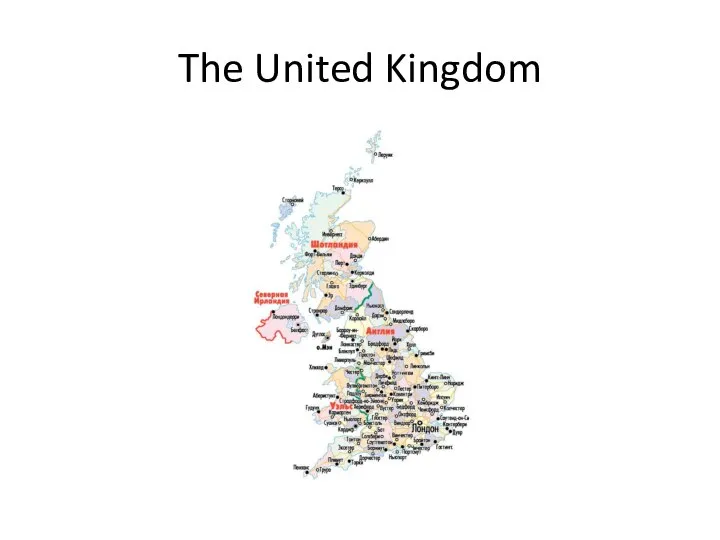 The United Kingdom
 Direct and reported speech
 Окружающий мир
 Interactive english. Brain breaks
 Optimal
 My last purchase
 Travelling by train
 Глаголы в Past Simple и Past Continuous
 To add your title
 Adjectives with prepositions (отработка материала, изложенного в пособии по грамматике R. Murphy)
 Simply PET Modals
 Microsoft buys Fallout creator Bethesda for $7.5bn
 Модальные глаголы и их эквиваленты
 Journey into space
 Types of reading
 Possessive Adjectives
 - Have you ever?
 Borrowing into Russian from English
 Important people in IT technology
 Презентация на тему Food and drink (Еда и напитки)
  Рекреационно-туристические зоны России Выполнила: Белоглазова Юлия, МЭ-101
 Interactive. Classroom. Thanksgiving