Слайд 2The German Christmas season officially begins with the first Sunday of Advent.
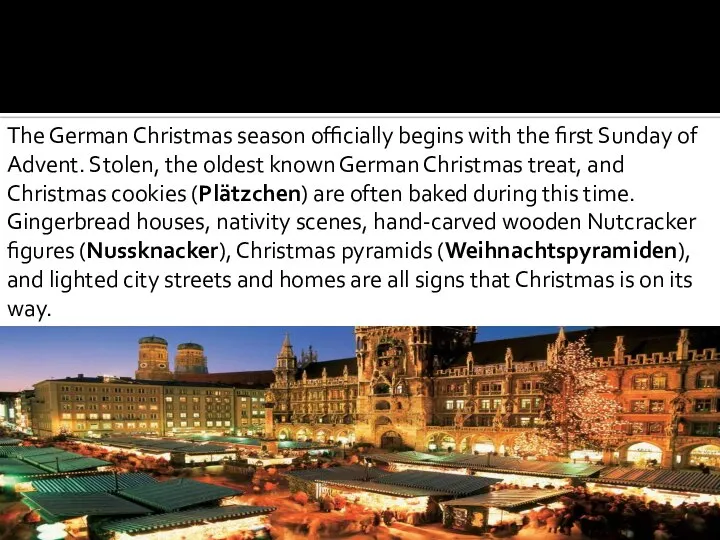
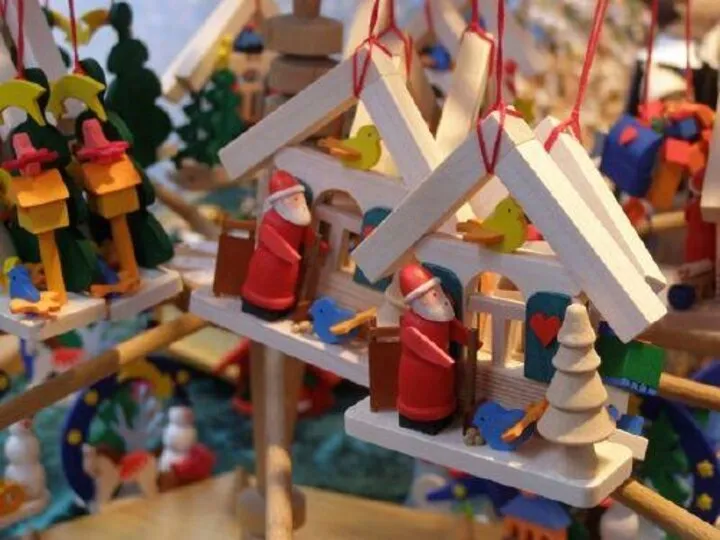
Stolen, the oldest known German Christmas treat, and Christmas cookies (Plätzchen) are often baked during this time. Gingerbread houses, nativity scenes, hand-carved wooden Nutcracker figures (Nussknacker), Christmas pyramids (Weihnachtspyramiden), and lighted city streets and homes are all signs that Christmas is on its way.
Слайд 4The Advent calendar (Adventskalender) is a German invention that was originally designed
to involve children in the festivities leading up to Christmas. The calendars are usually made of cardboard and have 24 small windows or flaps, one of which is opened on each day leading up to Christmas. Behind each window is a Christmas scene or motif. Nowadays, calendars may contain chocolate or candy behind each window, and sometimes even small toys.
Слайд 5The figure of Santa Claus, known in Germany as deer Weihnachtsmann (literally, "the Christmas
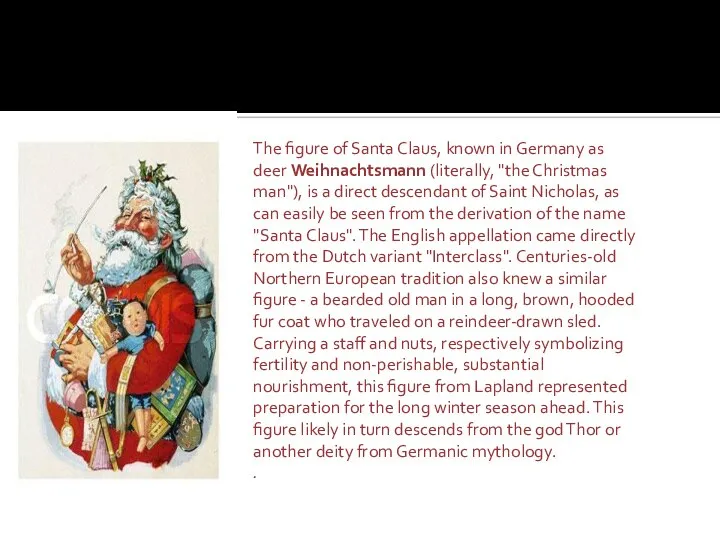
man"), is a direct descendant of Saint Nicholas, as can easily be seen from the derivation of the name "Santa Claus". The English appellation came directly from the Dutch variant "Interclass". Centuries-old Northern European tradition also knew a similar figure - a bearded old man in a long, brown, hooded fur coat who traveled on a reindeer-drawn sled. Carrying a staff and nuts, respectively symbolizing fertility and non-perishable, substantial nourishment, this figure from Lapland represented preparation for the long winter season ahead. This figure likely in turn descends from the god Thor or another deity from Germanic mythology.
.
Слайд 9Children leave letters on their windowsills for Christ kind, a winged figure dressed
in white robes and a golden crown who distributes gifts. Sometimes the letters are decorated with glue and sprinkled with sugar to make them sparkle.
 Slaidy.com



 ВНЕДРЕНИЕ СИСТЕМЫ КАЧЕСТВА В ВолГМУ
 МИ для формирования удовлетворенности потребителей услуг
 Презентация на тему Буквенные выражения
 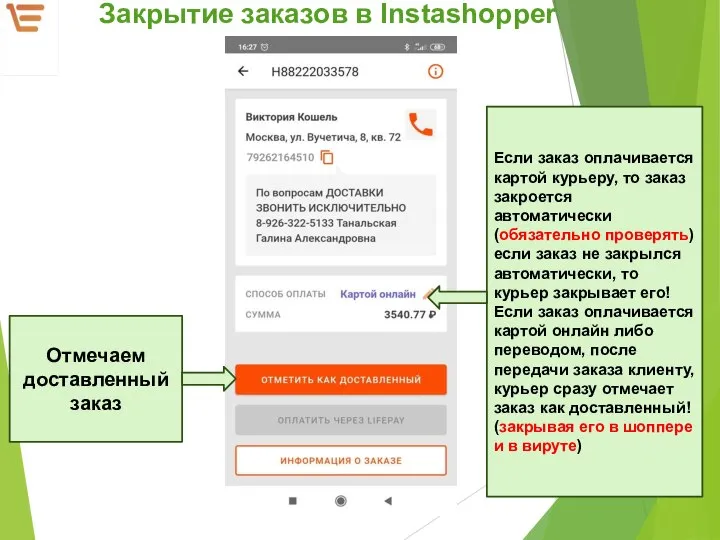 Завершение заказов в Instashopper и в VeeRoute (курьеры)
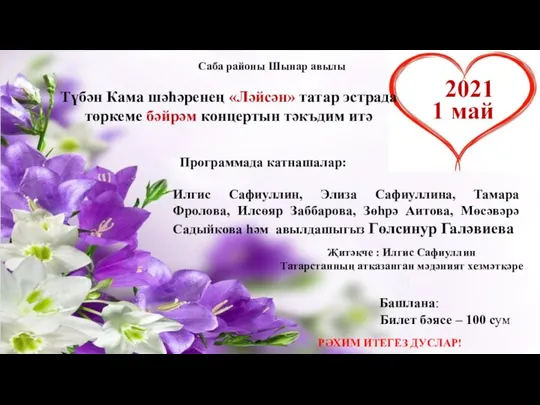 Саба районы Шынар авылы
 ПРОГРАММА РАЗВИТИЯ 2009-2013 годы
 Мышонок и Карандаш
 Кадровое обеспечение инновационных процессов Измайлов Алексей Викторович Генеральный директор ООО «Строительный двор», к.э.н.
  Компьютерный анализ естественно-языкового текста
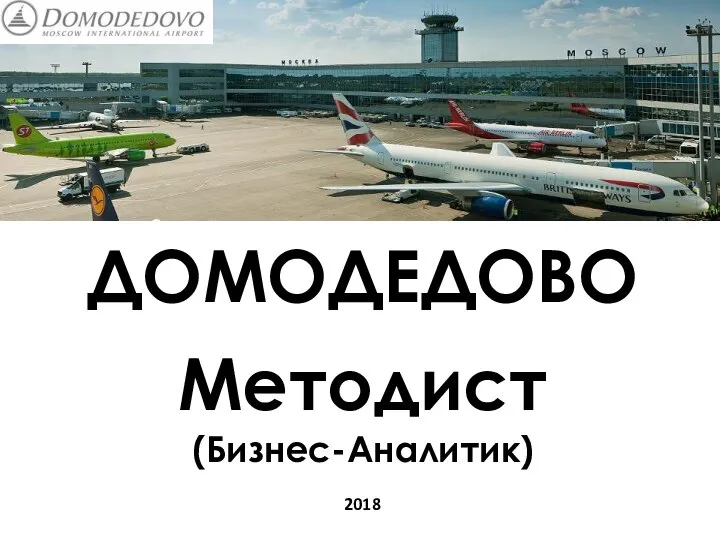 Бизнес-аналитик. Методист. Домодедово
 Экстремизм
 Геометрия и живопись
 Маленькая история чудака и малявки
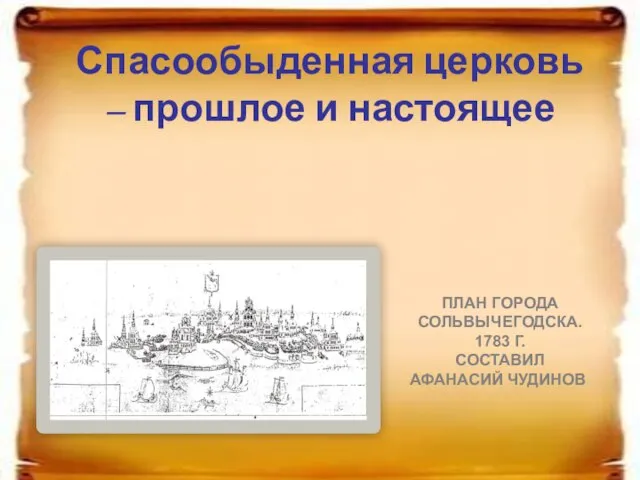 Спасообыденная церковь – прошлое и настоящее
 Что должно быть в БП
 Условное осуждение ст.ст. 73, 74 УК РФ
 Азбука в картинках1 класс
 Изделия из костей ,волос и кожи животных
 Грамматическая работа
 Игра как средство музыкального воспитания и развития детей
 Экология и здоровье человека 11 класс
 Участие в проектировании зданий и сооружений
 Лувр
Лувр Междометие как часть речи.
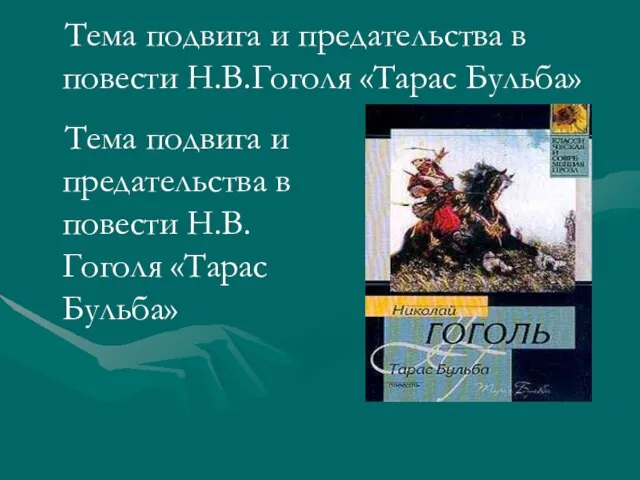 Тема подвига и предательства в повести Н.В.Гоголя «Тарас Бульба»
 Производство и реализация тротуарной плитки, облицовочного камня, декоративных ограждений и керамзитобетонных блоков.
 Психолого-педагогическая готовность ребёнка к обучению в гимназии
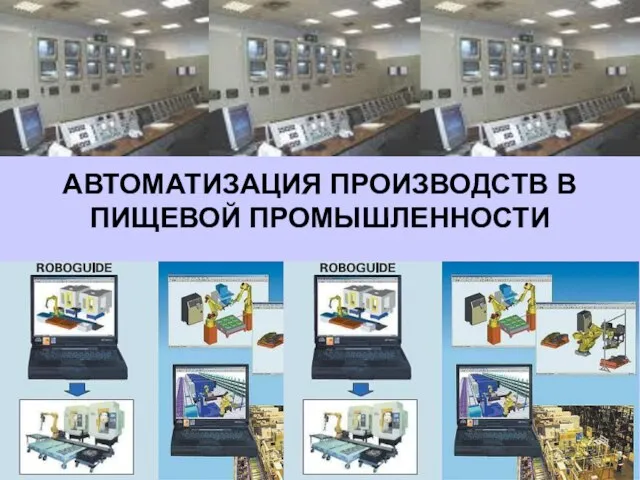 Автоматизация производств в пищевой промышленности