Слайд 2Alfred Adler
Alfred Adler was an Austrian doctor and therapist who is best-known
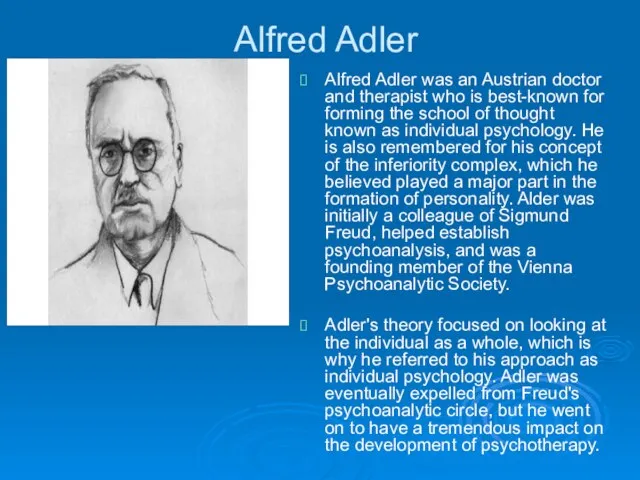
for forming the school of thought known as individual psychology. He is also remembered for his concept of the inferiority complex, which he believed played a major part in the formation of personality. Alder was initially a colleague of Sigmund Freud, helped establish psychoanalysis, and was a founding member of the Vienna Psychoanalytic Society.
Adler's theory focused on looking at the individual as a whole, which is why he referred to his approach as individual psychology. Adler was eventually expelled from Freud's psychoanalytic circle, but he went on to have a tremendous impact on the development of psychotherapy.
Слайд 3Sigmund Freud
Freud was born on May 6, 1856, in an Austrian town
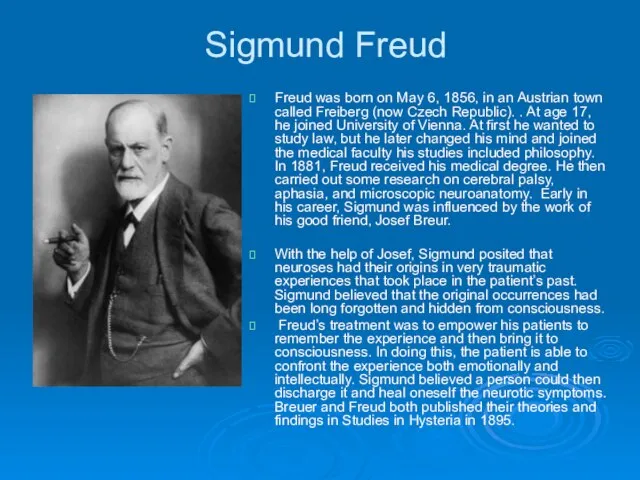
called Freiberg (now Czech Republic). . At age 17, he joined University of Vienna. At first he wanted to study law, but he later changed his mind and joined the medical faculty his studies included philosophy. In 1881, Freud received his medical degree. He then carried out some research on cerebral palsy, aphasia, and microscopic neuroanatomy. Early in his career, Sigmund was influenced by the work of his good friend, Josef Breur.
With the help of Josef, Sigmund posited that neuroses had their origins in very traumatic experiences that took place in the patient’s past. Sigmund believed that the original occurrences had been long forgotten and hidden from consciousness.
Freud’s treatment was to empower his patients to remember the experience and then bring it to consciousness. In doing this, the patient is able to confront the experience both emotionally and intellectually. Sigmund believed a person could then discharge it and heal oneself the neurotic symptoms. Breuer and Freud both published their theories and findings in Studies in Hysteria in 1895.
 Slaidy.com
 Родословная Лермонтовых
 Маркетинг БИД: итоги, прогнозы
 Автомобильная викторина
 Презентация на тему "Горе от ума: как политическая комедия" 9 класс
 Традиционные выставки Киришской картинной галереи
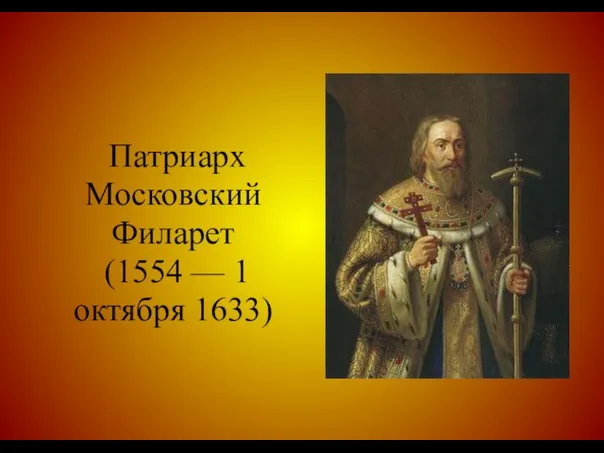 Патриарх Филарет
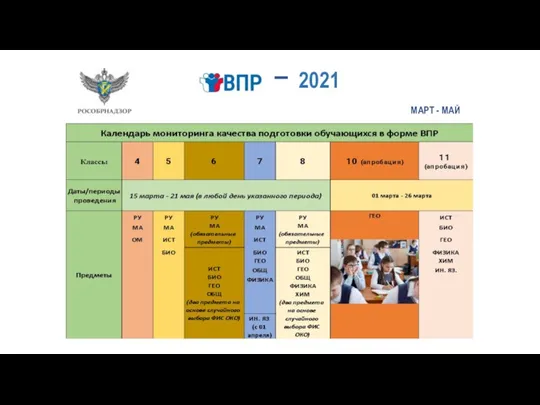 Календарь мониторинга качества подготовки обучающихся в форме ВПР
 Public goods
  Тест Знаменитые цитаты комедийных фильмов
 Общая характеристика адаптации спорта
 Взаимодействие общества и природы
 Динамика коррекции специфических ошибок письма учащихся младших классов
 НАЗВАНИЕ ПРОЕКТААвтор проекта
 Система Интернет-банкинга Сбербанк ОнЛ@йн
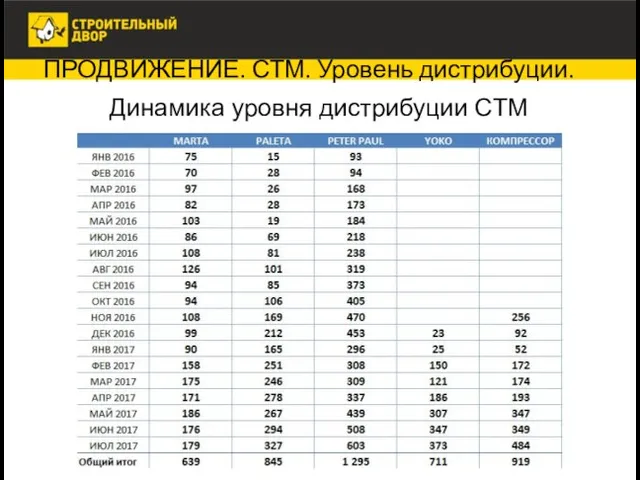 Продвижение в дистрибуции. Динамика уровня дистрибуции СТМ
 Практика по психопатологии №3. Психопатологический симптом
 Оздоровление экологической обстановки – важнейший фактор повышения инвестиционной привлекательности Оренбургской области
 Презентация на тему Лена Костенко
 Назначение, боевые свойства, устройство автомата Калашникова
 Искусство Гжели
 Данетка: Что это?
 INF_106_Lab 1
 Аборты. О вреде абортов
 Русская архитектура XVIII века
 ЕЖЕГОДНЫЙ СПЕЦИАЛЬНЫЙ ДОКЛАД «О СОБЛЮДЕНИИ ПРАВ ДЕТЕЙ В ПЕРМСКОМ КРАЕ В 2011 ГОДУ»
 Инновационное развитие выставочной библиотечной работы
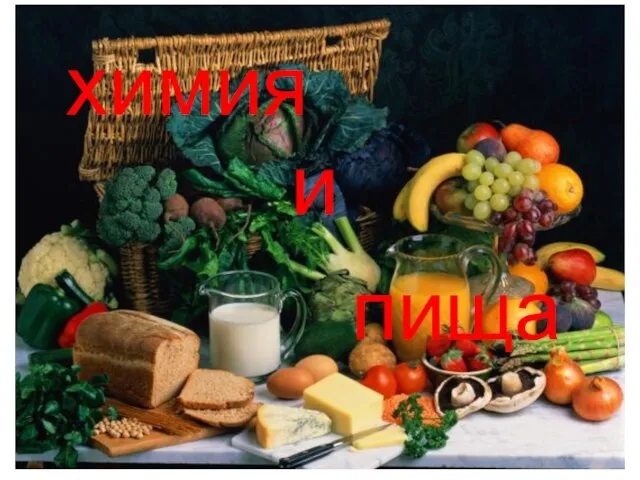 Презентация на тему Химия и пища
 Презентация на тему Конфликты в обществе