Слайд 3History
The Royal School of Mines was established in 1851, as the Government
School of Mines and Science Applied to the Arts. The School developed from the Museum of Economic Geology, a collection of minerals, maps and mining equipment made by Sir Henry De la Beche, and opened in 1841. The museum also provided some student places for the study of mineralogy and metallurgy. Sir Henry was the director of the Geological Survey of Great Britain, and when the collections outgrew the premises the museum and the survey were placed on an official footing, with government assistance.
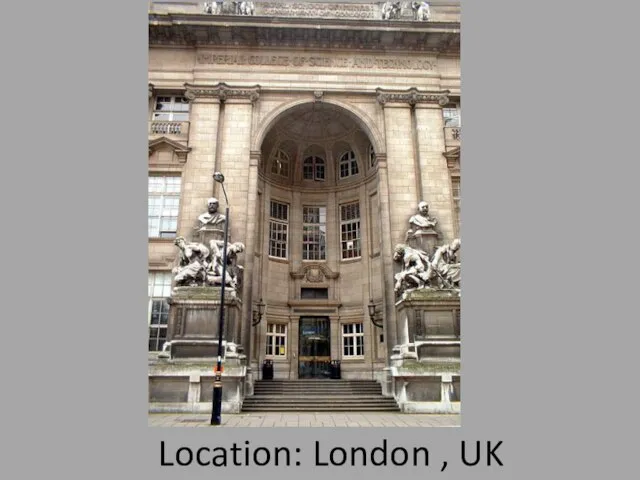
The Museum of Practical Geology and the Government School of Mines and Science Applied to the Arts opened in a purpose-designed building in Jermyn Street in 1851. The officers of the Geological Survey became the lecturers and professors of the School of Mines. The Royal College of Chemistry was merged into it in 1853. The name was changed in 1863 to the Royal School of Mines, and was moved to South Kensington in 1872, leaving the Museum of Practical Geology behind in Jermyn Street. In 1907, the RSM was incorporated into Imperial College of Science and Technology, but remains a "Constituent College" of Imperial. The last Dean of the Royal School of Mines was Professor John Monhemius before the position was removed.
Today, the RSM no longer exists as an academic entity. The RSM is both the building in which the departments are housed, and the student body that organizes social events, sports teams, clubs and societies for students within those departments.
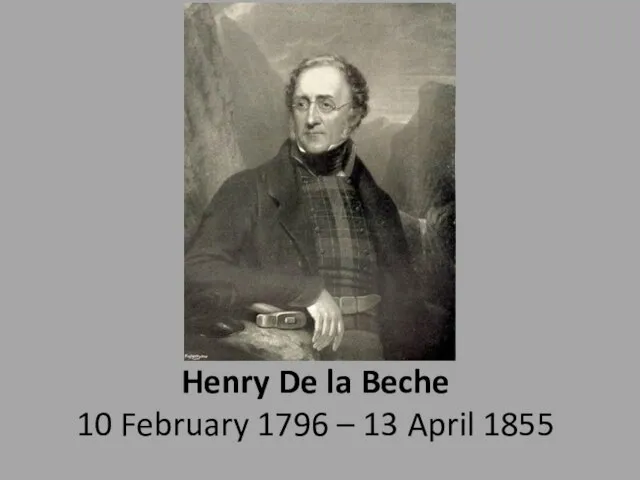
Слайд 4Henry De la Beche
10 February 1796 – 13 April 1855
 Slaidy.com
 Современные подходы к обучению руководителей промышленных предприятий
 Понятие и признаки налога. Принципы налогообложения. Налоговая система. Налоговое правоотношение
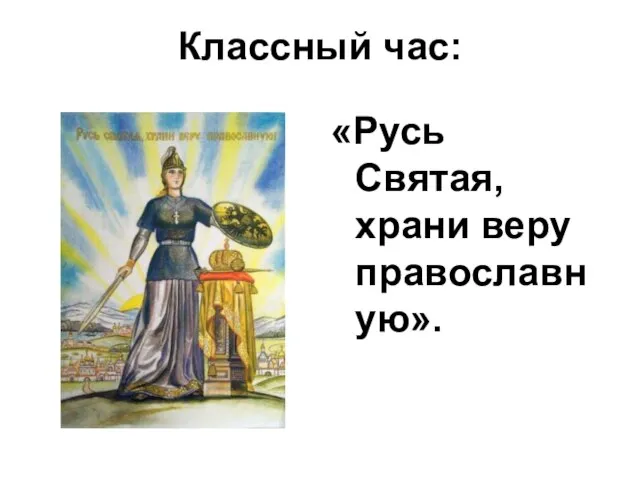 Классный час:
 Презентация на тему Наблюдение над словами-названиями признаков
  ДИФФЕРЕНЦИАЛЬНАЯ ДИАГНОСТИКА В ДЕТСКОЙ КЛИНИЧЕСКОЙ ПСИХОЛОГИИ
 История создания военных песен
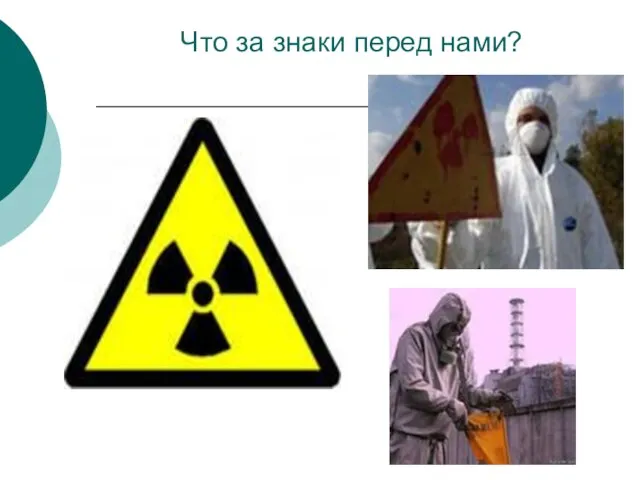 Радиация
 Корпорация АГРО СОЮЗ Компания Global Management Challenge представляют ПЕРВЫЙ В УКРАИНЕ АГРОБИЗНЕСИНКУБАТОР для талантливой молодежи Будущее
 8 Июля- День семьи, любви верности
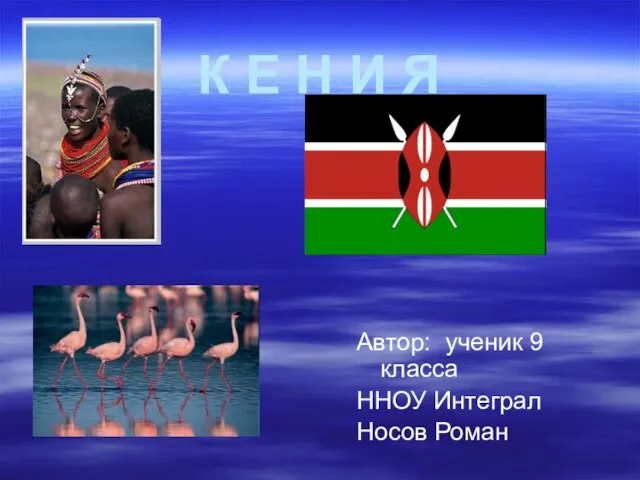 КЕНИЯ
КЕНИЯ Презентация на тему Арифметические действия 4 класс
  Регулирование финансовых рынков
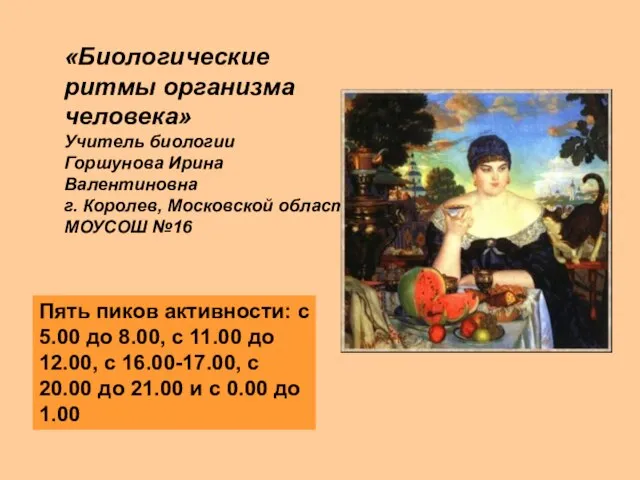 Презентация на тему Биологические ритмы организма человека
  Презентация на тему Презентация Озёра. Их классификация
  Конструирование и расчет дорожной одежды нежесткого типа
 Украшения из ленточек
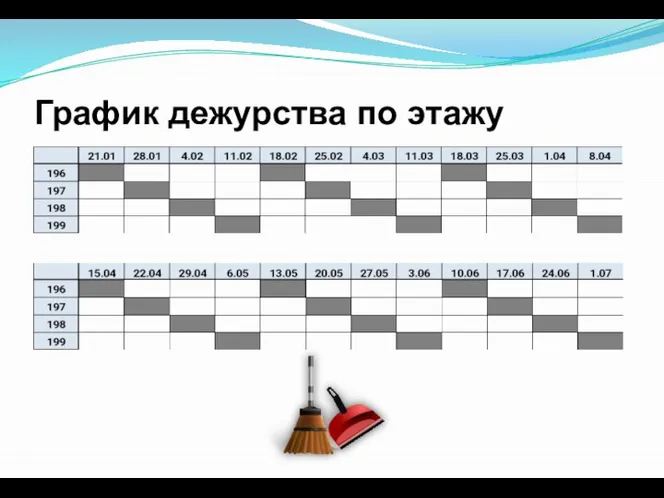 График дежурств по этажу
 Ответственность за нарушение трудового законодательства
 Система права
 Изобразительное искусство 7 класс
 Любовная лирика Давид Гордон Сегодня я люблю
 Новая система оформления заказов в Орифлейм
 Никулин Александр. Информационные системы
 Ҡол Ғәли Йософ ҡиссаһы
 Интеллектуальная вечеринка. Персонажи мультфильмов
 Отчет по учебной практике
 Le français. Указательные прилагательные
 Технологии разработки Internet-приложений