The British Monarchy
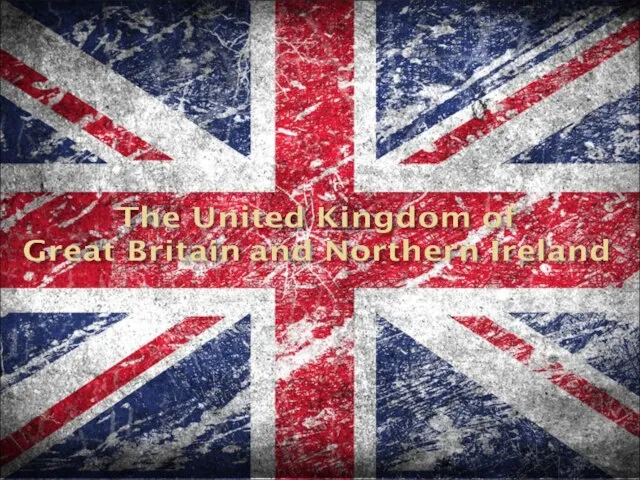
Monarchy of the United Kingdom There have been 12 monarchs of Great BritainThere have been 12 monarchs of Great Britain and the United Kingdom. The Kingdom of Great Britain was formed on 1 May 1707 with the merger of the Kingdom of EnglandThe Kingdom of Great Britain was formed on 1 May 1707 with the merger of the Kingdom of England and the Kingdom of ScotlandThe Kingdom of Great Britain was formed on 1 May 1707 with the merger of the Kingdom of England and the Kingdom of Scotland, which had been in personal unionThe Kingdom of Great Britain was formed on 1 May 1707 with the merger of the Kingdom of England and the Kingdom of Scotland, which had been in personal union under the House of Stuart since 24 March 1603. On 1 January 1801 Great Britain merged with the Kingdom of IrelandOn 1 January 1801 Great Britain merged with the Kingdom of Ireland to form the United Kingdom of Great Britain and IrelandOn 1 January 1801 Great Britain merged with the Kingdom of Ireland to form the United Kingdom of Great Britain and Ireland. After most of Ireland left the union on 6 December 1922, on 12 April 1927 its name was amended to the United Kingdom of Great Britain and Northern Ireland. The History The British monarchyThe British monarchy traces its origins from the kings of the AnglesThe British monarchy traces its origins from the kings of the Angles and the early Scottish kingsThe British monarchy traces its origins from the kings of the Angles and the early Scottish kings. By the year 1000, the kingdoms of EnglandThe British monarchy traces its origins from the kings of the Angles and the early Scottish kings. By the year 1000, the kingdoms of England and ScotlandThe British monarchy traces its origins from the kings of the Angles and the early Scottish kings. By the year 1000, the kingdoms of England and Scotland had resolved from the petty kingdoms of early medieval BritainThe British monarchy traces its origins from the kings of the Angles and the early Scottish kings. By the year 1000, the kingdoms of England and Scotland had resolved from the petty kingdoms of early medieval Britain. The last Anglo-SaxonThe British monarchy traces its origins from the kings of the Angles and the early Scottish kings. By the year 1000, the kingdoms of England and Scotland had resolved from the petty kingdoms of early medieval Britain. The last Anglo-Saxon monarch (Harold IIThe British monarchy traces its origins from the kings of the Angles and the early Scottish kings. By the year 1000, the kingdoms of England and Scotland had resolved from the petty kingdoms of early medieval Britain. The last Anglo-Saxon monarch (Harold II) was defeated and killed in the Norman invasion of 1066The British monarchy traces its origins from the kings of the Angles and the early Scottish kings. By the year 1000, the kingdoms of England and Scotland had resolved from the petty kingdoms of early medieval Britain. The last Anglo-Saxon monarch (Harold II) was defeated and killed in the Norman invasion of 1066 and the English monarchy passed to the Norman conquerors. In the thirteenth century, the principality of WalesThe British monarchy traces its origins from the kings of the Angles and the early Scottish kings. By the year 1000, the kingdoms of England and Scotland had resolved from the petty kingdoms of early medieval Britain. The last Anglo-Saxon monarch (Harold II) was defeated and killed in the Norman invasion of 1066 and the English monarchy passed to the Norman conquerors. In the thirteenth century, the principality of Wales was absorbed by England, and the Magna CartaThe British monarchy traces its origins from the kings of the Angles and the early Scottish kings. By the year 1000, the kingdoms of England and Scotland had resolved from the petty kingdoms of early medieval Britain. The last Anglo-Saxon monarch (Harold II) was defeated and killed in the Norman invasion of 1066 and the English monarchy passed to the Norman conquerors. In the thirteenth century, the principality of Wales was absorbed by England, and the Magna Carta began the process of reducing the political powers of the monarch. From 1603, when the Scottish king James VI inherited the English throne as James I, both kingdoms were ruled by a single monarch.
 Slaidy.com